

When shipping a vehicle, one of the decisions you will make is whether to choose an open or enclosed trailer for shipping. Although both these variants have their pros and cons, one that stands out drastically is the price. The cost of an open trailer is much less than an enclosed one. Knowing why these costs differ can help you decide which is the best for you. This has reference to the insight report on “Fuel Switching at the Generating Unit Level” published by CEEW in November 2022.
What are the open and enclosed trailers?
To know the cost differences, we must first understand what an open and an enclosed trailer are.
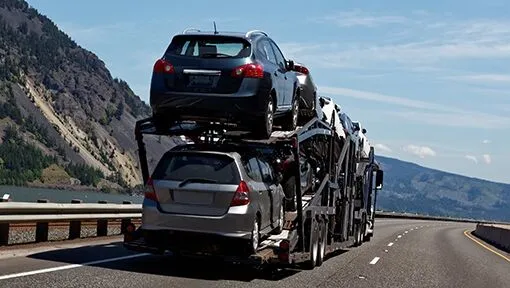
The most common form of auto transport is open trailers. As the name implies, an open trailer is utilized to carry the vehicle in an open environment. The trailer will not enclose the car, which gives exposure to weather, road debris, and other threats but is secured on it.
When it comes to enclosed trailers the vehicle is totally covered and protected. The car is loaded into a fully enclosed carrier to protect it from rain, snow, road dirt and other debris. Luxury and classic vehicles are generally shipped using this option to ensure extra care is taken.
Variations in Cost-Driving Elements
There are many reasons why open auto transport is cheaper than enclosed transport. A breakdown of the key elements is as follows.
Security and protection category
Protection is higher in enclosed trailers as opposed to open trailers. A vehicle cover protects it from weather, dirt, particles, and damage from other vehicles. The added security and protection increases the cost of enclosed transport. If you drive a luxury, vintage or exotic vehicle, it may cost extra due to the need for extra care in handling and keeping your vehicle safe.
Open trailer options cost less because they aren’t designed to offer as much protection as closed trailers. Although open trailers are usually quite safe, the vehicles they deliver are at a greater danger and thus, are cheaper to operate as they can get damaged from weather or road issues.
Supply and Demand
Open transport for an automobile is more budget-friendly. Open trailers are generally used for mass transportation of vehicles and they tend to be easily available, especially for common vehicles. More open trailers are around and their demand is lower than that of an enclosed trailer. Thus, open trailers are usually cheaper.
Enclosed transport takes special equipment and is often high in demand for luxury and rare vehicles, on the contrary. The increasing demand for enclosed carriers is raising their prices. Since enclosed carriers have fewer availability and require more attention, they are increasing in price.
Distance Travel
Distance plays a partial role in determining the costs of both open as well as enclosed transport. It will cost more to go on long trips because of fuel, driver time, and more. There’s still a substantial difference in cost between open as well as enclosed transport distance. The increased expense of enclosed trailers is mostly because of their ability to provide protection and the usage of equipment that doesn’t change based on miles traveled.
Time and Orderliness
People usually make advance reserved trailers as they are hard to find. Should you have a particular date or time frame for shipping your car in an enclosed trailer, then expect to pay more. There are more open trailers than enclosed ones and you will find them more frequently available at short notice.
Insurance Policy
While both open and enclosed auto transport services offer insurance coverage, the reliability of coverage may differ. Usually enclosed trailers offer more insurance coverage as they provide more protection while in transit. The increased coverage and the additional safety of an enclosed trailer are vital. This costs extra.
Insured open trailers often offer a more basic level of coverage, meaning that they can run the risk of damage as the vehicle is more exposed. This could mean that owners will need to purchase extra insurance to give them peace of mind which will also cost more.
Cost comparison of open and enclosed trailers
While the price may differ from one location to another and vehicle specifications and distance influences it, we shall compare the cost of open and enclosed trailers.
The average cost of shipping a car on an open trailer ranges from $500 to $1,200 for long-distance shipments. For shorter trips, the cost usually remains on the lower end, but it could go higher for long distances.
When shipping a vehicle in an enclosed trailer, expect to pay between $1,000 to $2,000 or more, depending on distance and requirements. Due to the added safeguard, specialty gear and fewer choices, the cost is typically much greater.
When to Choose Open Trailers or Enclosed Trailers
Your vehicle, budget and shipping requirements can determine whether to choose open, or enclosed transport. Here’s a guide to help you make your choice right.
Opt for Open Trailers If
- You own a common or everyday vehicle.
- Since you are on a budget, you want a more affordable shipping option.
- The vehicle does not need additional shielding from the weather.
If you prefer enclosed trailers
- You are sending a costly, luxurious, antique or exotic automobile.
- Your car needs added protection against weather or rubbish from the road.
- My transport services ensure the maximum security and care.
Conclusion
A price gap exists for open and closed trailers because of the extra protections, security, or specialized equipment needed to use the type of trailer. While open trailers are cheaper, they can’t care and protect the cargo as an enclosed trailer does. If you have a valuable or rare vehicle, it’s worth paying extra for enclosed transport. Nonetheless, open trailers are a reliable and affordable transportation option for standard vehicles. Knowing their differences will help you choose the best for your vehicle and shipping requirements.
