

One of the important questions when shipping a car overseas is whether you need EPA clearance. The standards for vehicle emissions are set by the EPA, and all imported vehicles must conform to the EPA’s standards. Most importers and exporters of vehicle are interested to know if a vehicle requires EPA clearance. Also, what will the impact on the shipment?
In this guide, we explain what is EPA clearance, when is EPA clearance required or needed, the steps or process to get EPA clearance, and how to ship your car overseas that meets EPA requirements.
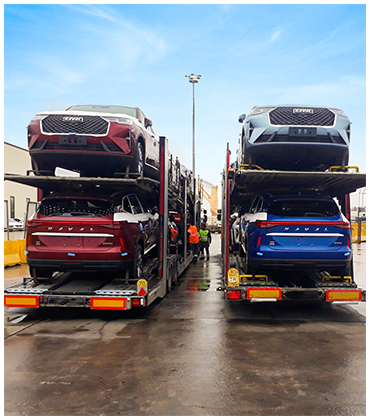
What Does EPA Clearance For Car Ships Mean?
Through regulation, the EPA develops standards for air pollution and enforces vehicle emissions cover requirements. Vehicles that are imported into the U.S. are required to receive EPA approval to make sure they meet these emissions standards. In simple terms, the clearance process verifies that the car you’re shipping is not too polluting.
Obtaining EPA clearance is crucial
New Vehicles must comply with EPA standards for emissions if the vehicle has never been registered or used in the U.S.
Pre-Owned Cars: In case of reloaction into the U.S., used cars that were already registered outside America may also require EPA clearance.
When is the EPA required?
EPA clearance is often required when shipping your vehicle to the US from overseas. Here is when you need clearance.
A car that has never been in the U.S. has to comply with the EPA regulations if it is being imported for the first time.
For Used Cars: If you plan to bring a used car, it must also meet the same requirements depending on the model year and whether the car has previously been approved for use in the US.
If a vehicle is modified or custom-built in another country, they may need to undergo additional testing that shows the vehicle complies with EPA standards.
For Non-American Cars produced outside the United States and not on the list of approved EPA cars will require clearing before they can be shipped.
Processes Involved in the EPA Clearance
Ordering EPA clearance for an imported vehicle requires a different process depending on whether the automobile is compliant or non-compliant. These are the main steps in the process.
1. Ensure the car meets EPA standards
The first step before starting the importing process is ensuring that your vehicle meets EPA emissions standard. Some vehicles made in particular countries could already meet the EPA requirements while others may need modifications.
The vehicle must be on the EPA approved vehicle list which contains vehicles that are known to comply with U.S. emissions standard.
Your car may need to be modified to comply with emissions standards if it is not listed or does not have a certificate.
2. Turn in the EPA Form 3520-1.
After you determine it meets standards, you will submit EPA Form 3520-1. To put it another way, this is a declaration for the importation of a vehicle. This document contains details about the vehicle and certifies its compliance with the EPA standards.
Make sure to fill in the form carefully because wrong details may delay your shipment. What the form usually requests.
3. Pay all dues and taxes
When you import the car, you will need to pay any customs duties, taxes or fees. Depending on the value, age, and origin of the car, these charges will change. The importation fee will be determined by Customs based on EPA Form 3520-1 and related documents.
4. Send extra papers if requested
Sometimes, you might have to submit extra documents to show compliance with the emission standards. If the changes made to meet EPA specs, may need manufacturer or licensed repair facility certification that such changes were made to the vehicle.
A licensed customs broker or shipping company can help expedite the process if you don’t know what documents are needed.
5. Anticipate Endorsement from Environmental Protection Agency
After submission of necessary documents and payment of relevant fees, the EPA reviews the application and, if everything is well, grants approval of the application. Your vehicle must clear U.S. with this approval. Be brought in accordance with the law.
6. Complete Customs Process and Accept Your Vehicle
Your vehicle will go through U.S. after EPA Approval Approval from customs and dispatch for delivery. At this stage, you may either arrange for collection or have the delivery to the address of your choosing.
Ways Carson Shipping May Assist
Carson Shipping takes care of the logistics for overseas car shipments and will guide you along the process of EPA clearance. We will take care of everything from confirming that your vehicle meets EPA standards to submitting all the correct documents for you.
We have shipped cars from all over the world and made them ready for the United States. We offer a range of services.
We will take care of all customs paperwork including EPA Form 3520-1, etc.
I can help you with car compliance checks to make sure your vehicle meets emissions standards in the U.S.
Coordinating the shipping process to guarantee that your vehicle arrives safely and promptly.
Conclusion
It is vital to know about the EPA clearance procedure to ship a car overseas to the US. Avoid delays and costly fines by taking the right steps to ensure your car meets emissions standards, documents are correct and your fees are paid. Whether you’re importing a new car or a second-hand vehicle, following this guide will help you do just that with confidence.
If you want a reliable partner to help you ship your car overseas and clear it through the EPA, contact Carson Shipping. Get in touch with us today to begin your import!
